Salin dan Bagikan
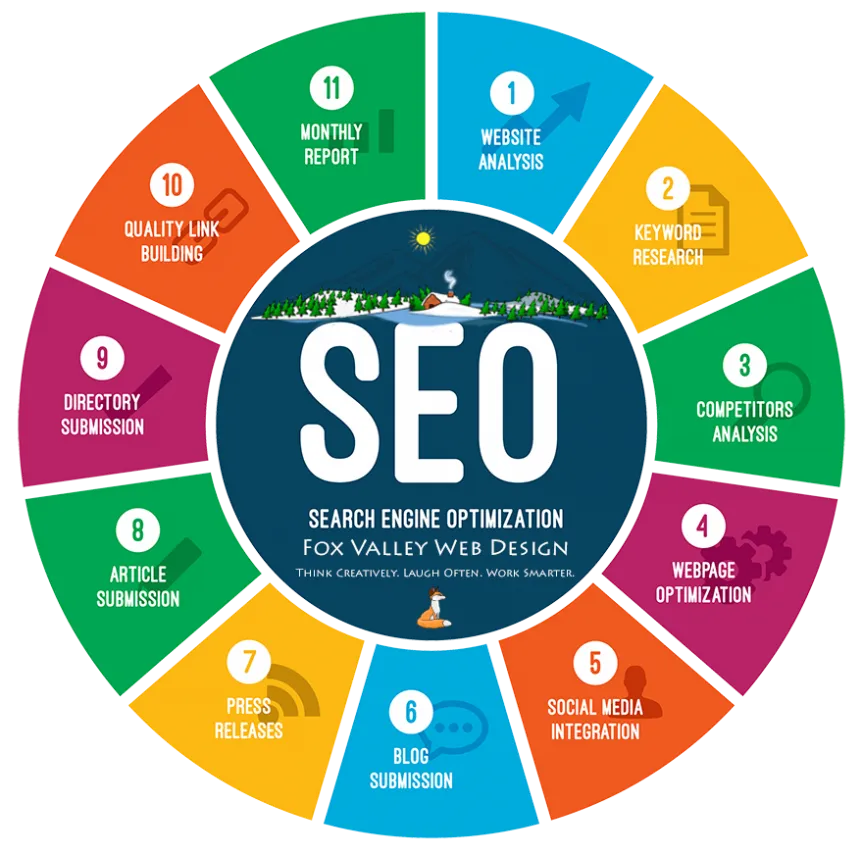
Cara Optimasi Blog Post untuk SEO: Checklist Lengkap
Setiap blog post adalah peluang ranking. Checklist ini memastikan setiap post dioptimasi maksimal sebelum dan sesudah publish.
Pre-Writing Checklist
Keyword Research
☐ Identify primary keyword
☐ Check search volume
☐ Assess keyword difficulty
☐ Find secondary keywords
☐ Research related questions
☐ Analyze search intent
Competitor Analysis
☐ Search target keyword
☐ Analyze top 5 results
☐ Note content length
☐ Check structure/headings
☐ Identify content gaps
☐ Find unique angle
Content Planning
☐ Define target audience
☐ Outline main sections
☐ Plan heading structure
☐ List key points to cover
☐ Plan visual elements
☐ Identify internal links
Title Optimization
Title Tag
Rules:
☐ Primary keyword included
☐ Keyword near beginning
☐ 50-60 characters
☐ Compelling/clickable
☐ Unique vs other pages

Examples:
Good: "Cara Optimasi SEO Blog: Panduan Lengkap 2026"
Bad: "Blog SEO Tips and Tricks for Beginners"
     (keyword not prominent)
H1 Tag
☐ Different from title tag (slightly)
☐ Contains primary keyword
☐ One H1 per page
☐ Clear and descriptive

Example:
Title: Cara Optimasi Blog Post untuk SEO
H1: Panduan Lengkap Optimasi Blog Post untuk SEO
Meta Description
Writing Tips
☐ 150-160 characters
☐ Include primary keyword
☐ Compelling copy
☐ Call to action
☐ Unique per page

Template:
"[Primary keyword]: [Benefit/promise].
[Supporting detail]. [CTA like 'Learn more!']"
Example
<meta
  name="description"
  content="Cara optimasi
blog post untuk SEO dengan checklist lengkap.
Dari riset keyword hingga publish. Tingkatkan
ranking blog Anda sekarang!"
/>
URL Structure
URL Best Practices
☐ Short and descriptive
☐ Include primary keyword
☐ Use hyphens, not underscores
☐ Lowercase only
☐ No special characters
☐ No dates (unless necessary)

Good: /cara-optimasi-blog-post-seo/
Bad: /2024/01/cara_optimasi_blog_post_SEO_checklist_lengkap/
Content Optimization
Opening Paragraph
☐ Hook reader immediately
☐ Include primary keyword
☐ State article benefit
☐ First 100 words crucial

Good opening:
"Optimasi blog post untuk SEO adalah kunci
mendatangkan traffic organic. Panduan ini
memberikan checklist lengkap untuk setiap post."
Heading Structure
Hierarchy:
☐ H1 (one only)
☐ H2 for main sections
☐ H3 for subsections
☐ H4 if needed (rarely)

Include keywords naturally in headings.
Keyword Usage
☐ Primary keyword: 3-5 times
☐ In first paragraph
☐ In one H2 heading
☐ In last paragraph
☐ Secondary keywords throughout
☐ Natural, not forced
Content Quality
☐ Comprehensive coverage
☐ Original insights
☐ Actionable advice
☐ Up-to-date information
☐ Better than competitors
☐ Proper grammar/spelling
Formatting
☐ Short paragraphs (3-4 sentences)
☐ Bullet points for lists
☐ Numbered steps for processes
☐ Bold for emphasis
☐ Block quotes where relevant
☐ Tables for data
Image Optimization
Image Checklist
☐ Relevant to content
☐ High quality
☐ Compressed file size
☐ Descriptive filename
☐ Alt text with keyword
☐ Proper dimensions
☐ WebP or modern format
Alt Text
Rules:
☐ Describe the image
☐ Include keyword naturally
☐ Keep under 125 characters
☐ Don't start with "Image of..."

Good: "Checklist optimasi blog post SEO"
Bad: "Image of checklist, SEO, blog, optimization"
Image Naming
Good: cara-optimasi-blog-seo.webp
Bad: IMG_20240115_123456.jpg
Internal Linking
Link Strategy
☐ Link to pillar content
☐ Link to related posts
☐ Use descriptive anchor text
☐ 3-5 internal links minimum
☐ Link from older posts to new
☐ Check for broken links
Anchor Text
Good anchors:
"Learn more about keyword research"
"Check our SEO audit guide"

Bad anchors:
"Click here"
"Read more"
External Linking
Outbound Links
☐ Link to authoritative sources
☐ Open in new tab (optional)
☐ Relevant to content
☐ 2-5 external links
☐ Don't link to competitors (usually)
☐ Update broken external links
Schema Markup
Article Schema
{
  "@context": "https://schema.org",
  "@type": "Article",
  "headline": "Cara Optimasi Blog Post untuk SEO",
  "author": {
    "@type": "Person",
    "name": "Author Name"
  },
  "datePublished": "2026-01-07",
  "dateModified": "2026-01-07",
  "image": "https://example.com/image.webp"
}
FAQ Schema (if applicable)
☐ Add FAQ section
☐ Implement FAQPage schema
☐ Validate with Rich Results Test
Technical Checklist
Page Performance
☐ Page loads under 3 seconds
☐ Images optimized
☐ No render-blocking resources
☐ Mobile friendly
☐ No CLS issues
Canonicalization
☐ Self-referencing canonical
☐ No duplicate content
☐ Proper URL version (www/non-www)
☐ HTTPS version
Publishing Checklist
Before Publish
☐ Proofread content
☐ Check all links work
☐ Preview on desktop/mobile
☐ Verify meta tags
☐ Check schema validation
☐ Compress images
After Publish
☐ Submit URL to Google Search Console
☐ Share on social media
☐ Email newsletter (if applicable)
☐ Internal link from older posts
☐ Monitor indexing
Post-Publish Checklist
First Week
☐ Check Google indexing
☐ Monitor initial traffic
☐ Respond to comments
☐ Share again on social
☐ Fix any issues found
First Month
☐ Check ranking positions
☐ Review user behavior (time on page)
☐ Add more internal links if needed
☐ Update content if necessary
☐ Build backlinks
Ongoing
☐ Update content annually
☐ Refresh outdated information
☐ Add new internal links
☐ Monitor rankings
☐ Respond to new comments
Quick Reference Card
TITLE:
- 50-60 chars
- Keyword at start
- Compelling

META DESCRIPTION:
- 150-160 chars
- Include keyword
- Call to action

URL:
- Short
- Keyword included
- Hyphens only

CONTENT:
- Keyword in first 100 words
- H2/H3 structure
- 3-5 internal links
- Images with alt text
- Comprehensive coverage

TECHNICAL:
- Fast loading
- Mobile friendly
- Schema markup
- Self-referencing canonical
Kesimpulan
Checklist ini membantu memastikan setiap blog post teroptimasi sebelum dan sesudah publish. Save dan gunakan untuk setiap post baru.
Artikel Terkait
Link Postingan : https://www.tirinfo.com/cara-optimasi-blog-post-seo-checklist/
Editor : Hendra WIjaya
Publisher :
Tirinfo
Read : 4 minutes.
Update : 7 January 2026